

Your website walks into a room before you do.
Before anyone reads your headline, checks your services, or scrolls down — they feel something.
That feeling comes from color.
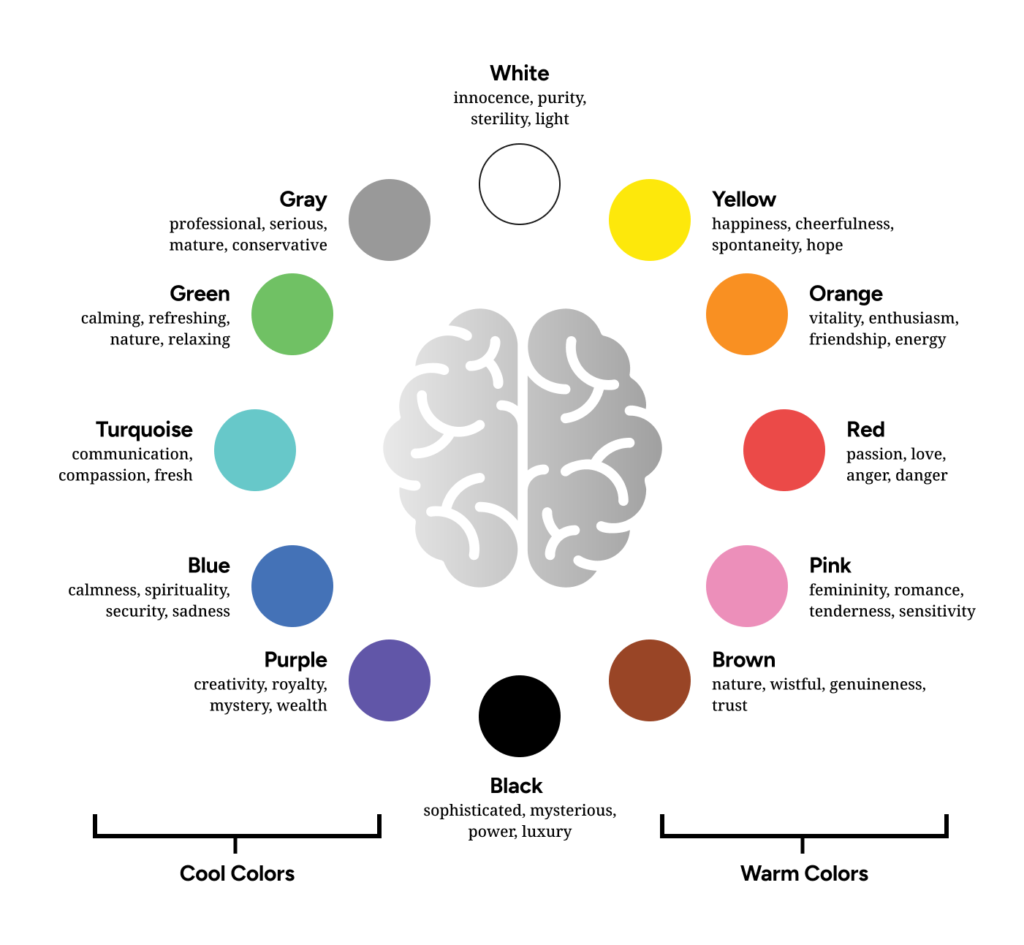
Whether you intend it or not, your website already has a mood. And users pick up on it instantly.
Think about the last website you opened.
Did it feel calm? Loud? Premium? Playful? Serious?
No one explained that to you.
You didn’t read it in the content.
You felt it — within seconds.
That’s color doing the talking.
Colors don’t describe your brand.
They suggest how your brand should be perceived.
Cool tones often feel steady and composed. They create a sense of reliability and reassurance, which is why so many technology and SaaS brands gravitate toward them. These colors don’t demand attention — they earn trust quietly.
On the other hand, bold and intense colors feel energetic. They naturally pull the eye and create urgency. When used thoughtfully, they encourage action. When overused, they overwhelm. The difference lies in intent.
Softer palettes, especially natural tones, tend to feel human and balanced. They give the user visual breathing space and create a sense of ease. These colors rarely shout, but they stay longer in the user’s mind because they feel comfortable.
Bright accents work differently. They are not meant to dominate the screen. Their job is to guide attention — to say, “Look here.” When used sparingly, they are powerful. When overused, they turn into noise.
Dark palettes communicate confidence. They don’t rush to impress. Instead, they rely on restraint and clarity. When done well, they feel premium, intentional, and self-assured.
Here’s the UX truth:
Users may forget the exact words on your website, but they will remember how it made them feel.
And those feelings influence trust, attention, and decisions far more than we like to admit.
Final thought
Good color choices don’t scream for attention.
They quietly set the tone for everything that follows — and that tone often decides whether a user stays or leaves.